

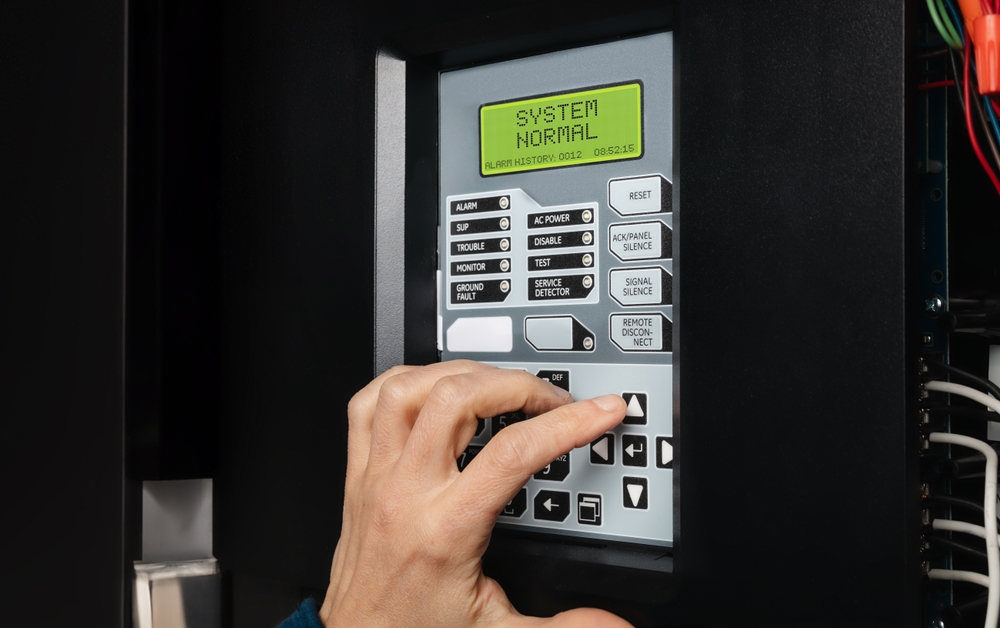
Manufacturing centers in North Georgia, particularly in cities like Dalton and Calhoun, face a unique set of security challenges. These facilities often span hundreds of thousands of square feet and operate 24/7 to meet demanding production schedules. They house expensive equipment, raw materials, and finished goods, making them a target for theft, vandalism, and even corporate espionage. With such high-value assets and operational complexity, the need for robust commercial security systems for manufacturing facilities is more than just a precaution; it is a fundamental business requirement.
Dalton, GA, known for its dense concentration of flooring and textile manufacturers, and Calhoun, GA, home to numerous warehouses and distribution hubs, represent the core of industrial activity in the region. These cities also face increased risks due to their proximity to major transportation corridors, which, while beneficial for logistics, can also increase exposure to external threats. The implementation of purpose-built commercial security systems helps ensure that only authorized personnel gain access to sensitive areas and that the entire facility remains under constant surveillance.
Advanced Camera Systems: The Backbone of Modern Facility Protection
At the heart of effective commercial security systems for manufacturing facilities lies industrial security camera installation. In North Georgia, manufacturers increasingly turn to high-definition, network-connected cameras that provide round-the-clock coverage across sprawling factory floors, exterior perimeters, and warehouse loading zones. These systems are not just deterrents. They serve as valuable tools for monitoring daily operations, auditing incidents, and supporting workplace safety initiatives.
Modern security camera systems include features such as motion detection, facial recognition, thermal imaging, and AI-driven analytics. These enhancements allow security personnel to detect unusual behavior patterns, unauthorized access attempts, or equipment malfunctions. For example, a manufacturer in Dalton, GA, might install thermal cameras in sensitive production areas to detect abnormal heat signatures, which could indicate a fire hazard or overheating machinery. In a warehouse in Calhoun, GA, PTZ (pan-tilt-zoom) cameras can be used to automatically follow suspicious movements across large open spaces.
The shift toward cloud-based camera systems has also made remote monitoring accessible. Business owners or security teams can view live footage from any device, ensuring that even after hours, they maintain control over their facilities.
Integrated Access Control and Alarm Systems Enhance Facility Security
Beyond video surveillance, comprehensive commercial security systems for manufacturing facilities also include access control systems and intrusion alarms. These tools are vital for managing who enters specific areas of a building and when. In North Georgia’s large industrial spaces, this means securing not just main entrances but also internal zones such as storage rooms, server areas, and hazardous material storage.
Access control systems use badges, key cards, PINs, or biometric data to grant entry to authorized personnel. They provide an auditable trail of movement throughout the facility, offering accountability in case of theft or other incidents. For instance, a manufacturer in Calhoun, GA, may configure its access system to limit who can enter its high-value inventory section, automatically logging each entry and exit.
Intrusion alarms are equally important. They act as the first line of defense against break-ins or unauthorized entry after hours. When paired with industrial security camera installation, alarm events can trigger camera alerts and even send real-time notifications to management or local law enforcement. These systems are customizable to accommodate shift changes, holidays, and special access schedules, adapting to the dynamic nature of manufacturing operations.
Cybersecurity Integration with Physical Security Systems
With increased digitization of industrial operations, the line between physical and digital security is becoming increasingly blurred. Manufacturers in North Georgia must not only guard against physical intrusions but also protect networked devices, production systems, and data storage units from cyber threats. Integrated commercial security systems now often include cybersecurity components to address this evolving risk landscape.
For example, security camera systems that store footage in the cloud require encryption and secure network configurations to prevent unauthorized access. Access control systems tied to employee databases must be regularly updated and protected against breaches. Additionally, IoT-enabled equipment, such as smart locks or connected sensors, introduce new potential vulnerabilities if not properly secured.
Dalton-based manufacturers are becoming more aware of these risks and are investing in security partners who can offer end-to-end solutions, combining physical protection with IT infrastructure safeguards. This dual-layer approach ensures that both the physical assets and the data driving operational efficiency remain protected from modern threats.
Tailored Solutions for Warehouses and Distribution Centers in Calhoun
Calhoun, GA, serves as a strategic logistics hub for manufacturers across North Georgia. Warehouses and distribution centers in this region require security systems that address fast-paced operations, high employee turnover, and significant inbound and outbound freight activity. Traditional static surveillance solutions are no longer sufficient.
Warehouse security solutions in Calhoun, GA, increasingly emphasize real-time visibility and automation. Security systems are integrated with inventory management tools, dock door controls, and vehicle tracking systems. This allows security teams to oversee the entire flow of goods, from the time they arrive at the loading dock to when they leave the facility, while reducing the risk of shrinkage, misplaced goods, or unauthorized access.
Because warehouses often operate during night shifts or weekends, the security systems deployed must also support thermal imaging and infrared night vision. Smart lighting systems, triggered by motion sensors, are becoming more common to both deter intruders and assist camera visibility in poorly lit environments.
Moreover, many warehouses now require visitor management systems that log and track all third-party contractors, delivery personnel, and temporary staff. This level of oversight ensures that everyone entering the facility is accounted for and that access is limited to only the areas necessary for their role. Such warehouse security solutions are no longer optional but are quickly becoming standard for industrial operations in Calhoun and beyond.
Conclusion
As industrial operations in North Georgia continue to grow, the importance of robust and scalable commercial security systems for manufacturing facilities becomes even more pronounced. Manufacturers in cities like Dalton and Calhoun face distinct challenges related to the size of their operations, the value of stored goods, and the increasing sophistication of both physical and digital threats.
Industrial security camera installation is at the core of these systems, providing eyes on every critical area of a facility. When combined with advanced access control, intrusion detection, and cybersecurity protocols, these systems offer comprehensive protection tailored to the realities of modern manufacturing. In Calhoun’s bustling warehouses, customized warehouse security solutions are essential to maintain operational integrity and prevent loss.
Investing in commercial security is no longer a matter of basic compliance. It is a strategic move that supports long-term productivity, employee safety, and business continuity. For North Georgia manufacturers, choosing the right security partner means selecting a system designed not just for today’s threats but also for tomorrow’s evolving risks.